At-Seat Food & Drink Delivery on Trains
As the sole designer, I challenged management's proposed solution and designed the UK's first at-seat food delivery service on trains, doubling catering revenue within 6 weeks of launch.
The Brief Was Wrong
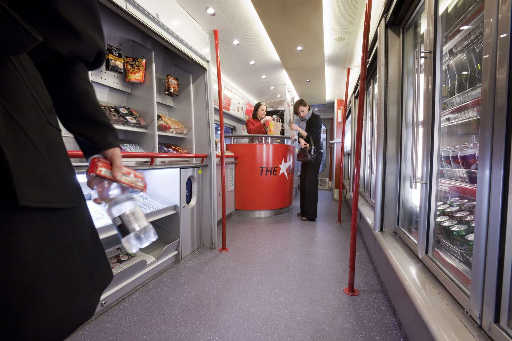
When Avanti West Coast took over from Virgin Trains, new management identified an opportunity to increase standard class catering revenue. Their proposed solution: a "trolley tracker" to help passengers locate the trolley and decide whether to wait or walk to the cafe (45% of customers weren't even aware of the cafe).
I owned this project end-to-end: strategy, budget, product decisions, all UX research, and every design artefact from journey maps to final UI screens. A PM supported on logistics and a white-label supplier handled the build, but all strategic and design decisions were mine.
The problem was that this contradicted research I had already conducted. Customers didn't need to find the trolley: they needed food brought to them.
What the research already showed
Previous customer and staff research (surveys, interviews, on-board shadowing) had surfaced a clear picture of the real barriers:
"I don't want to lose my seat or leave my belongings"
"By the time I get to the cafe, they're out of what I want"
"The trolley is heavy and hard to maneuver through crowded carriages"
- Passengers treat their seat as their space: leaving it felt risky
- Expectations had shifted: Deliveroo and Amazon had raised the bar
- Staff found trolleys physically demanding with limited stock range
- Most passengers didn't know where the cafe car was or what it stocked
The challenge: Convince stakeholders their proposed solution missed the root problem, and secure buy-in for something more ambitious: in a company with no in-house development team.
Research & Discovery
Rather than starting from scratch, I synthesized existing internal research and layered in competitive analysis to build the case for a different approach.
Missing Insight
Immediately I conducted an insight audit, collating existing research from customer surveys, staff interviews, and on-board observation sessions. The pattern was consistent: the seat was the customer's anchor point. Everything else: the trolley, the cafe, the menu: was secondary friction. The insight that shaped everything: passengers expect Deliveroo-level convenience even at 125mph.
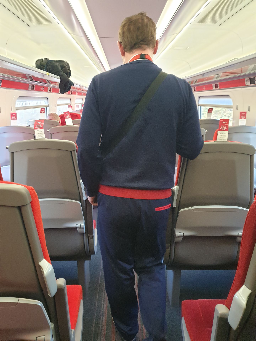
I then conducted some shadowing sessions with staff to plug existing gaps in insight: most of the research surrounding the onboard experience and, specifically, the food & drink experience, had been from the point of view of customers. As a result, I shadowed 3 members of staff across 6 different onboard catering shifts, helping me to understand and contextualise a lot of the theory and research I had access to.
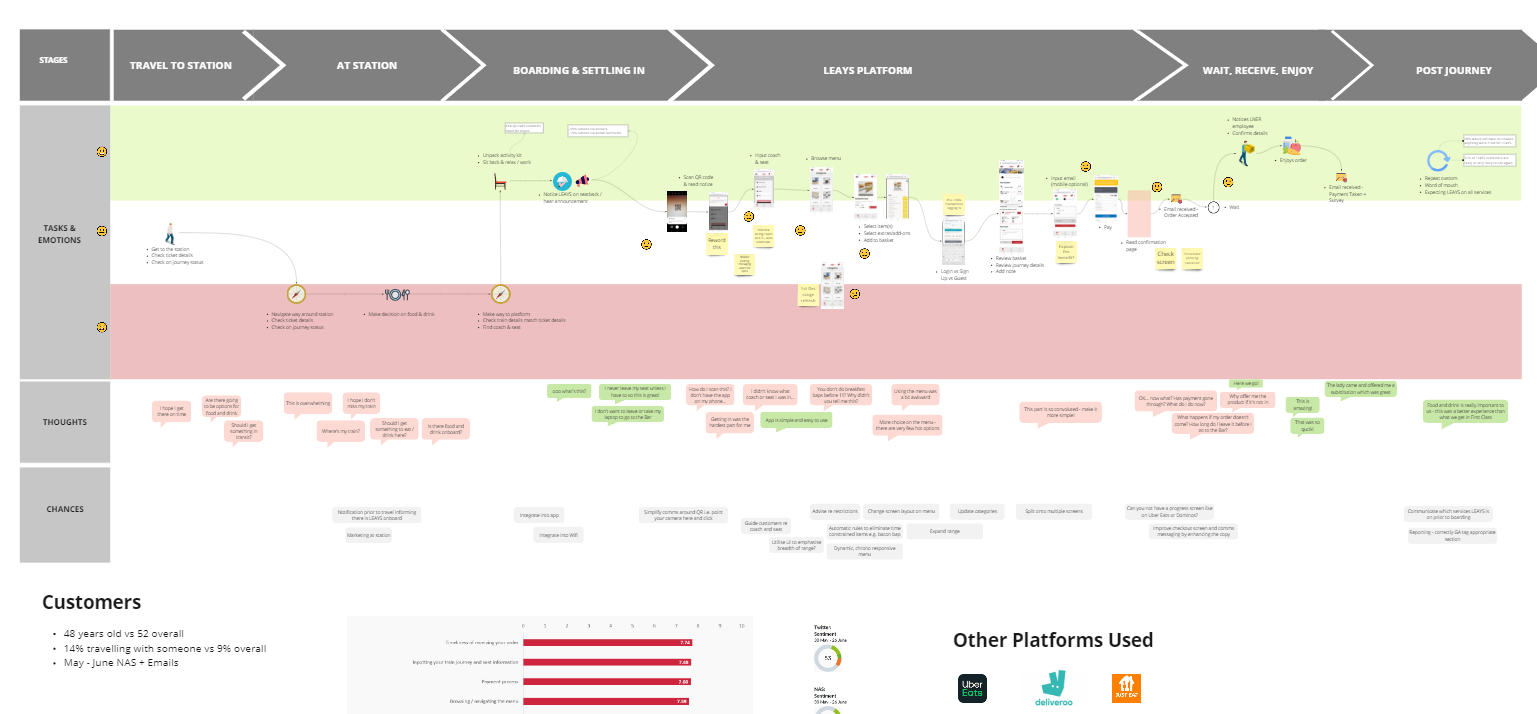
I translated the existing insight, from both a customer and staff perspective, into journey maps, helping me to understand the existing process from both primary stakeholders' perspectives & grounding project decisions in user needs / wants / pain points throughout. This also included contextual insight from a competitor analysis (general) that existed in the business and required a bit of desk research from me to strengthen (i.e. specifically within the food and drink delivery industry).
Proposition Canvas & Stakeholder Workshop
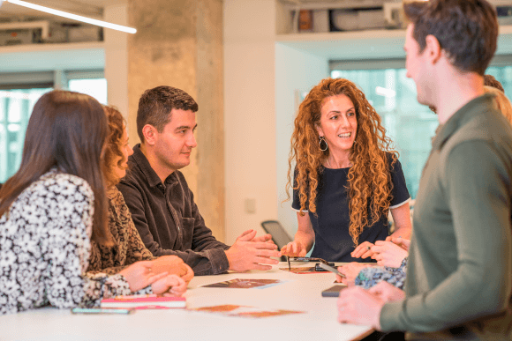
I created a proposition canvas mapping the gap between current capabilities and user needs, then facilitated a workshop with executives to present findings and challenge the trolley tracker brief. The data made the case. By the end, we had executive sign-off to pursue at-seat delivery as a UK rail first.
Strategy & Design Principles
The product had two users with different contexts: a passenger on their phone trying to order without thinking too hard, and a staff member on a moving train managing multiple orders at once. Both needed to be designed for independently.
Mobile Web, Not Native App
QR code access via mobile browser. No download friction, works on any device, easier for a vendor to maintain. The trade-off: slightly less performant, no offline mode: was acceptable given the short journey durations.
Design for Movement
Every decision was filtered through the constraint of a moving train: large touch targets, high contrast for varying light, minimal text input, glanceable information for staff. Physical context drove interface decisions more than anything else.
Ruthless MVP Scoping
Six weeks with a vendor development team meant hard prioritization. The must-haves were QR access, full menu with photography, real-time stock availability, payment, staff order queue, and seat-based delivery logic. Loyalty integration, group ordering, and dietary filtering were pushed to phase two.
Design & Prototyping
Customer Interface
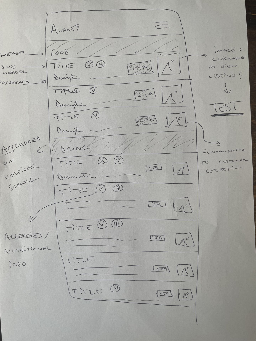
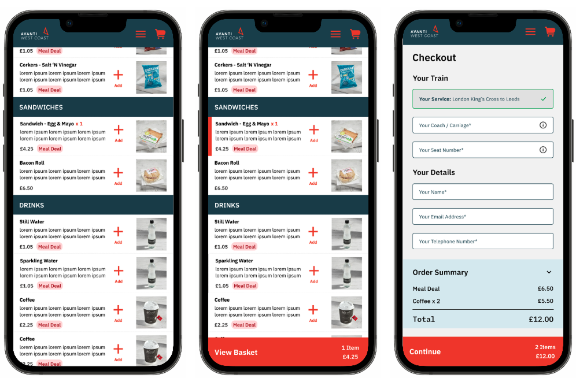
The customer flow had to feel effortless: scan QR, enter carriage & seat number, browse, order, done. Whilst we knew auto-populating the carriage & seat number would be more intuitive, this would have tripled the costs of the trial, so we deprioritized to the full rundown. I kept the information architecture flat: home menu, product detail, cart, checkout, status: with large product photography and minimal text input. The seat number entry included a contextual helper ("Look for the number above your head") after testing revealed occasional confusion.
Staff Tablet Interface
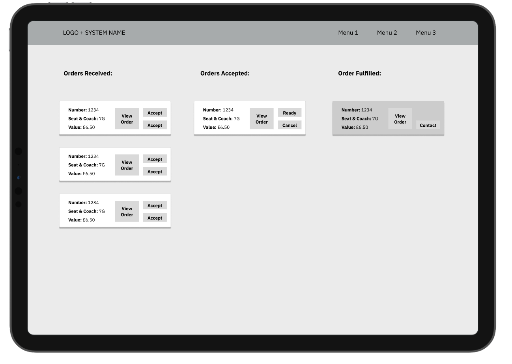
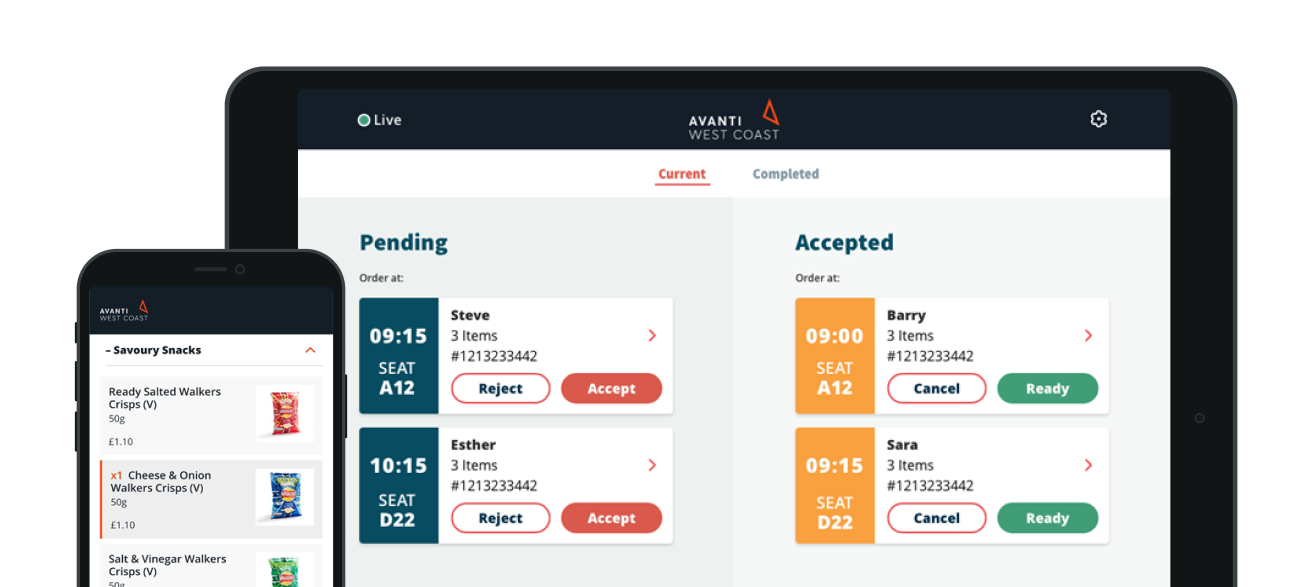
Staff needed to manage incoming orders while moving through carriages. The tablet interface prioritized glanceability: a live order queue with seat numbers prominent, one-tap completion, and a visual seat map for locating passengers quickly. Large buttons accounted for potential gloves and the physical demands of the role.
Vendor Handoff
With no in-house developers, I worked directly with the white-label supplier's team. I built a component library with design tokens, wrote detailed interaction specs and edge case documentation, and ran daily design reviews during the build phase. Where technical constraints required compromises, I made real-time decisions about what to flex and what to protect.
Validation & Iteration
I tested prototypes with 12 train staff members, 8 frequent passengers, and 3 accessibility users before development began. The concept landed immediately: both groups understood it without explanation.
Task completion rate: High across all user groups from the first session
Key friction point: Seat number input and delivery time expectations
Two iterations came directly from testing: a seat number helper prompt reduced input errors, and adding an estimated delivery time with a caveat about train occupancy managed expectations before frustration could occur. Checkout was also simplified from five steps to three.
Pilot Launch
Rather than a full rollout, we launched on two services for a 12-week trial to prove value before committing. This gave us real-world data without the operational risk of an immediate fleet-wide deployment.
Results & Impact
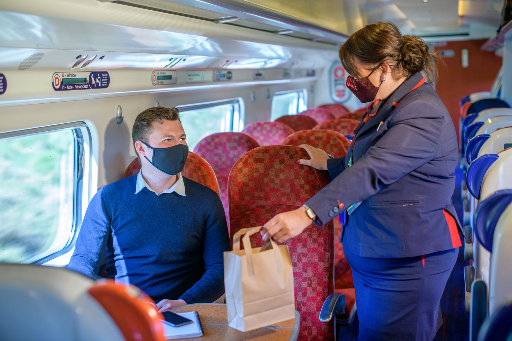
After 6 weeks of trial on two services, executives approved immediate rollout to all 150 daily services:
Incremental revenue vs the traditional trolley service: driven by higher basket sizes and more transactions per journey.
4.8/5 average app rating with 92% repeat usage on return journeys.
Staff reported reduced physical strain, better tips, and greater sense of control over their workload.
The service was subsequently adopted across all UK long-distance train operators.
"Game changer. I can finally enjoy a meal without leaving my family to watch our bags."
- Passenger feedback, post-launch survey
What I Learned
The best solution often isn't what stakeholders initially ask for. Data gave me the standing to push back and propose something better.
Prototypes and a proposition canvas convinced stakeholders where a written recommendation wouldn't have.
Train movement, varying lighting, gloves, and multitasking shaped every interface decision. The constraint became the design.
Six weeks forced prioritization that made the product better. Scope creep would have delayed launch and diluted the core experience.
Investing as much in the staff interface as the customer app was critical: staff satisfaction directly drove service quality.
What I'd Do Differently
Earlier accessibility testing: some issues were caught late in development that required rework. Building in accessibility reviews from the first prototype would have been more efficient.
More route diversity in the pilot: the initial trial ran on premium routes. Passengers on shorter or more price-sensitive routes had different needs that surfaced only after full rollout.